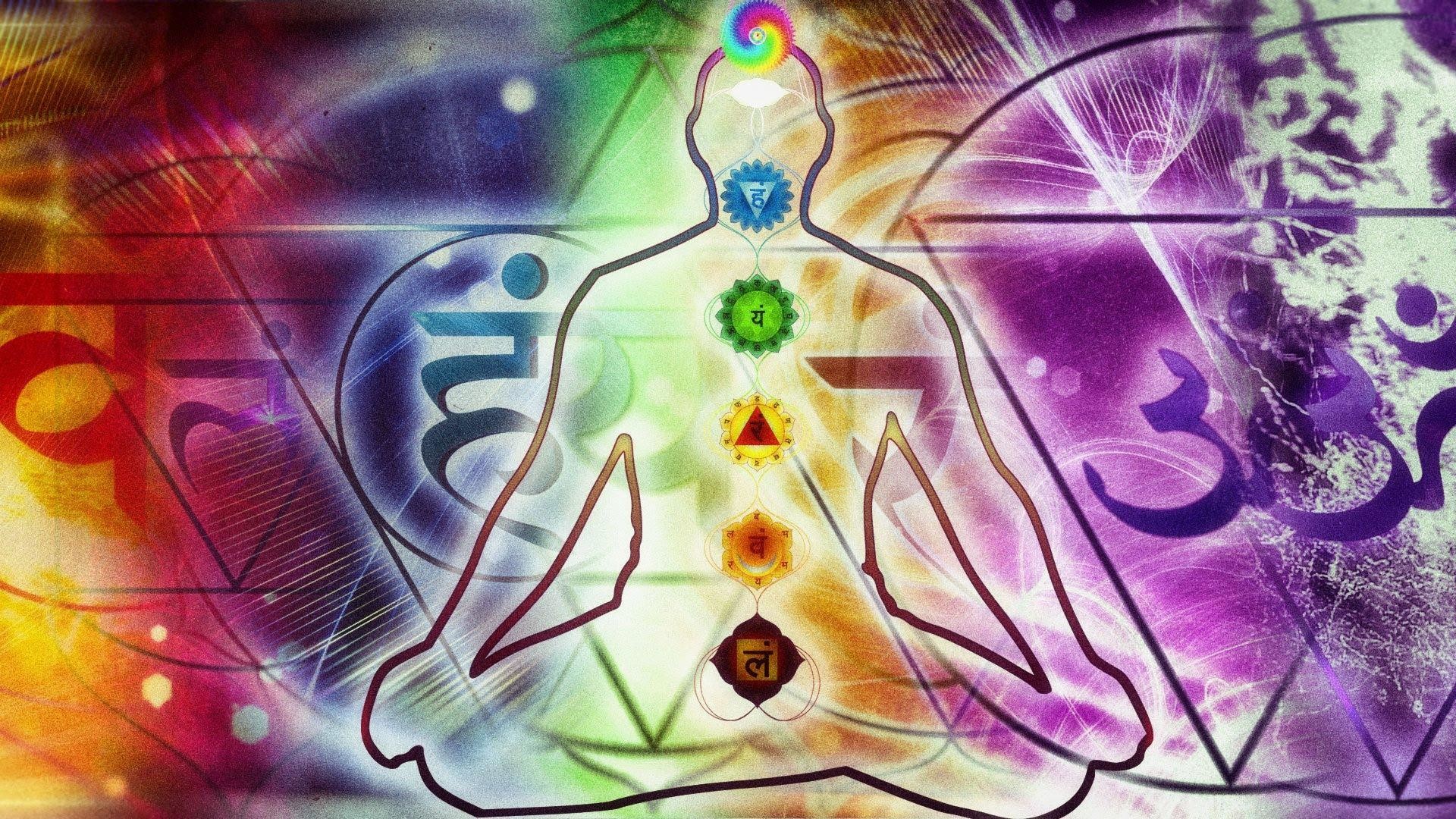
Chakras are part of spiritual frameworks that associate centres of the body with themes of experience. In some modern interpretations, the lower chakras represent security, creativity, and confidence. These associations are symbolic; they are not a diagnosis of how your body works.
Root: reflect on practical security
Instead of asking whether an invisible blockage explains a difficulty, identify what would make daily life more stable. That might be a predictable routine, a clearer household agreement, or asking for help with an unresolved task.
Sacral: make room for creativity
You can use this theme to consider enjoyment, expression, and personal boundaries. Try a small creative activity and notice whether you enjoy it. No particular emotional response proves that a chakra is balanced or unbalanced.
Solar plexus: practise a manageable choice
Confidence can be explored through an ordinary action: asking a question, saying no to an unwanted commitment, or finishing a small project. A symbolic exercise should support your agency rather than make you dependent on a practitioner.
Keep symptoms out of the checklist
Pain, illness, or persistent emotional distress should not be attributed to a chakra on the basis of a website. The previous version’s claims that lower-chakra imbalance causes sickness or severe symptoms were unsupported and have been removed.
If you enjoy colour visualization or meditation, treat it as optional reflection. Continue appropriate care and stop exercises that feel uncomfortable. A spiritual sense of balance does not establish physical health.
Questions worth asking a teacher
- Which tradition or interpretation are you teaching?
- Is this exercise optional?
- What are you claiming it can accomplish?
- Can I decline paid sessions or products?
Clear boundaries are more useful than a promise to “fix” you.