
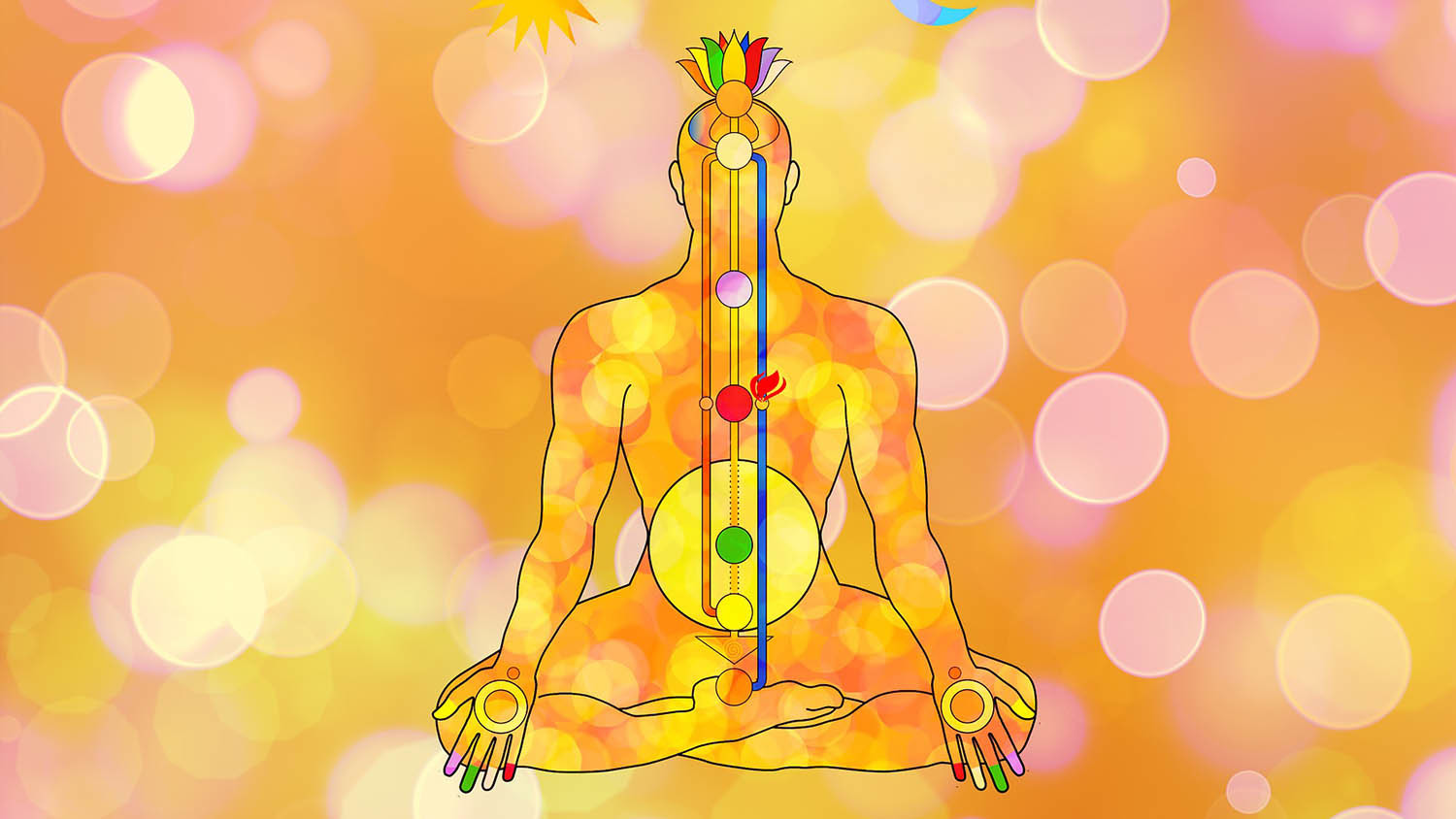
“Psychic meditation” is a label some practitioners use for meditation intended to explore intuition or imagined spiritual messages. It does not describe a standardized method, and practising it does not establish clairvoyance or another psychic ability.
The six steps here offer an optional reflective session. They do not switch psychic powers on or off, and you do not need a particular image, sensation or message to complete them. Keep a personal association separate from information you have checked.
Before joining a guided session
A session might include silence, guided imagery, journaling or spiritual language. Ask which elements are involved, whether you can opt out and what claims the teacher makes. A label alone does not identify training or a reliable outcome.
Clarify the format before committing: whether there is music, guided imagery or sharing, whether you can keep your eyes open, and how you can pause or leave. You may choose not to take part. An impressive title or a promise about hidden gifts does not answer those questions.
Six steps you can adapt
- Get comfortable. Choose a position that suits you and a brief period when you can pause. No particular hand position or secret location is needed. Keep necessary responsibilities and accessibility needs in mind.
- Choose an easy focus. Notice comfortable, ordinary breathing or a neutral sound. Do not hold your breath, strain or aim for dizziness. You can keep your eyes open.
- Name your intention. Choose something modest, such as noticing your thoughts about a decision. A prayer may be part of your beliefs, but it is not required to keep the exercise safe from invisible forces.
- Notice thoughts without declaring them messages. Images and associations may arise. Label them as experiences rather than verified information about another person. Nothing special needs to happen.
- Record only what you want. You might note a thought and a question it raises. Do not diagnose a physical sensation as spiritual contact. Stop if the exercise is uncomfortable.
- Return to your activity. Look around, move comfortably and choose what to do next. A closing image can mark the end symbolically; forgetting one does not leave you open to unwanted energies.
You can finish early or leave a step out. The sequence is a way to organize a pause, not a ritual that must be performed exactly to protect you from invisible forces.
Keep the focus ordinary
If you choose to try an exercise, sit comfortably and notice a neutral sound or your usual breathing for a short time. You do not need complete silence, forced breaths or a special posture. Wandering thoughts do not mean failure.
A simple intention might be to notice your thoughts about a choice. Avoid setting a task that requires finding out what another person secretly thinks. That asks an inward exercise to supply information it has not established.
Turn an association into a question
An image, word or emotion can be written down as an association. It cannot establish another person’s intentions or verify a prediction. More intense sensations do not necessarily mean more advanced practice.
| The experience | A careful record | A practical question |
|---|---|---|
| An image comes to mind. | Describe the image and your own association without calling it a picture of someone else’s future. | Does it raise a question about my own interests or choices that I can explore? |
| A word or phrase occurs to you. | Write that the words came to mind. Their arrival does not identify an outside speaker or establish an instruction. | What does the phrase mean to me, and what actual information do I still need? |
| A feeling changes, or nothing notable happens. | Record what you noticed, including an unchanged or ordinary session, without ranking it as advanced or failed. | Was the exercise comfortable and useful, or would I prefer to stop or try something else? |
A filled-in example: Ari records an image without making a prediction
In this fictional example, Ari is considering a volunteer role. During a brief reflective pause, the image of a closed door comes to mind.
- The intention
- Ari wanted to notice their own thoughts about the role, not to discover what the organizer secretly thinks.
- The experience
- “I pictured a closed door.” Ari records the image without saying it predicts rejection or came from a guide.
- The personal association
- Ari associates the door with not knowing what the role involves. Other interpretations are possible, and the image does not settle which is right.
- The next practical question
- Ari can ask the organizer about the duties and time commitment. That conversation provides information a private image could not establish.
Ari does not need to buy an interpretation or wait for another image before asking. If no image had appeared, the practical question would still be available.
Nothing special needs to happen
A session may include planning thoughts, ordinary memories or no clear imagery. Do not invent a message to fill a blank page. Keep any record private unless you choose to share it, and avoid treating an impression as a basis for diagnosing yourself or another person.
For a more detailed way to separate an impression from evidence, read our meditation and intuition journal. That guide records alternative explanations and actual outcomes rather than awarding a psychic score.
Stopping and returning to your day
You do not need to continue until a message arrives. If an exercise is distressing, stop and seek appropriate support if needed. Ending without a ritual does not mean you will absorb energies all day.
Look around and choose an ordinary next activity. A closing prayer or image may have personal meaning if it fits your beliefs, but forgetting one does not establish a threat. Do not continue until you feel a required sign or until someone declares your energy closed.
NCCIH discusses the evidence and limitations of meditation; that research should not be repurposed as proof of psychic powers. Decide whether the actual practice is useful to you rather than accepting promises about what persistence will unlock.
For broader health-related claims, see meditation evidence, limits and safety. For practical seating and shared-room choices, see arranging a usable meditation space. You can choose a brief, ordinary exercise without accepting a promise of hidden information.
Questions about a reflective psychic-meditation session
1. What does psychic meditation mean here?
It is a label some practitioners use for meditation involving intuition or imagined spiritual messages. The term does not identify a standardized method or verify a psychic ability. These six steps organize an optional reflective exercise.
2. Will these steps prove that I receive hidden information?
No. An image, word or feeling can be personally meaningful without establishing another person’s intentions or a future event. Record the experience as an association and seek actual information for practical decisions.
3. What if no image or message appears?
You do not need to produce one. An ordinary session or a blank record is allowed. Consider whether the exercise was comfortable and useful rather than treating the absence of a message as a failure.
4. Do I need special breathing or a particular posture?
No. Choose a comfortable position and ordinary breathing or a neutral sound. Do not hold your breath, strain or aim for dizziness. You can keep your eyes open and stop if uncomfortable.
5. What should I ask before a guided session?
Ask which activities are involved, what training the instructor has, which elements are optional and how you can pause or leave. A spiritual label or promised result does not answer those practical questions.
6. Must I perform a closing ritual before stopping?
No. A closing image or prayer can mark the end symbolically if you want, but forgetting one does not leave you exposed to unwanted energies. You can stop, look around and return to an ordinary activity.