
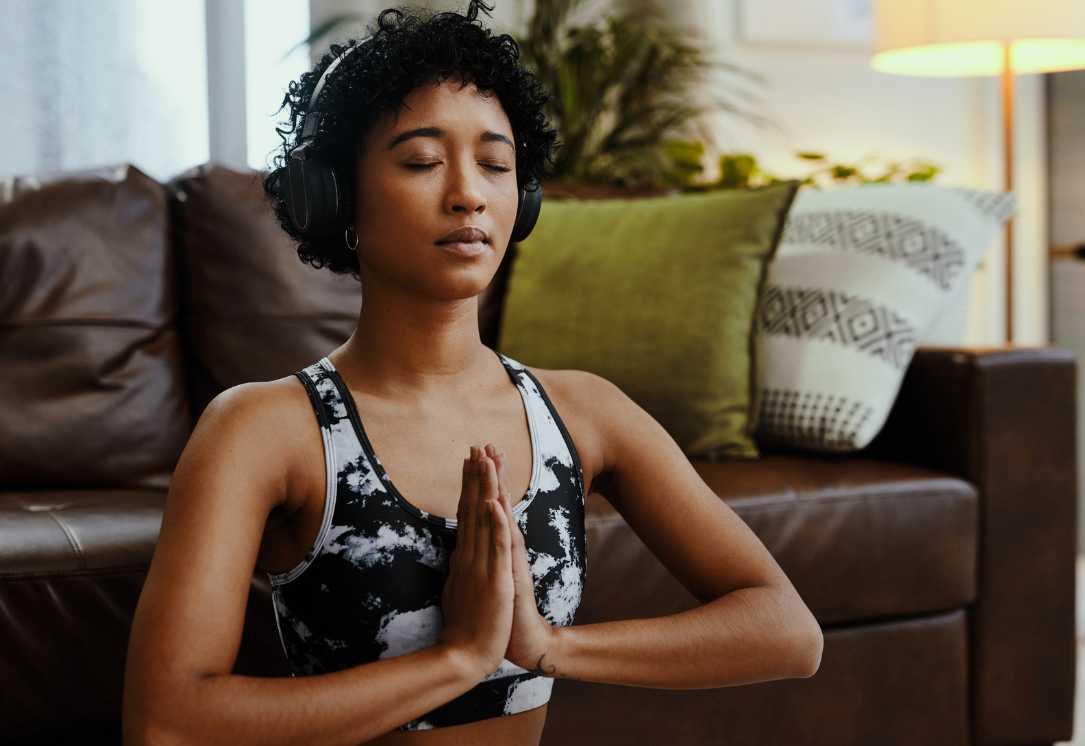
The “third eye” is used in spiritual writing as a symbol of insight and inner awareness. In chakra-based interpretations it is often associated with the Ajna centre. “Opening” it is a spiritual description, not a medical procedure or a measurable deadline.
There is no reliable timetable
A teacher may describe gradual awareness, while another uses the language of a sudden awakening. Those accounts do not establish that a particular exercise will produce visions or psychic ability. You have not failed if you experience nothing unusual.
Try reflection without forcing an experience
- Sit comfortably in an ordinary, safe setting.
- Let your breathing remain natural.
- Notice one question you want to think about.
- Write what you know, what you assume, and what you still need to learn.
- End the exercise and return to your surroundings.
You may keep your eyes open. There is no need to stare at a flame, suppress blinking, hold your breath, lose sleep, or perform a difficult yoga posture. Stop if an exercise is uncomfortable.
Use intuition as a question to investigate
A strong impression might encourage you to look more closely at a situation. It cannot, by itself, establish another person’s motives or predict an outcome. Compare it with observable facts before acting.
Foods, herbs and crystals are not activation tools
The earlier article recommended particular herbs and foods as ways to activate the third eye. Those claims were not supported and have been removed. A crystal can be a symbolic object; it does not demonstrate that an invisible blockage has been removed.
Do not buy supplements or change treatment to pursue this practice. Ask a qualified professional about health questions, including possible interactions, rather than relying on spiritual marketing.
Symptoms do not confirm a blocked chakra
Headaches, memory concerns, confusion, and difficulty concentrating cannot establish a third-eye blockage. They deserve attention on their own terms. Keep the spiritual meaning you find separate from claims about their cause.
The useful question is whether a practice supports thoughtful, manageable choices—not whether you can make unusual sensations happen.